
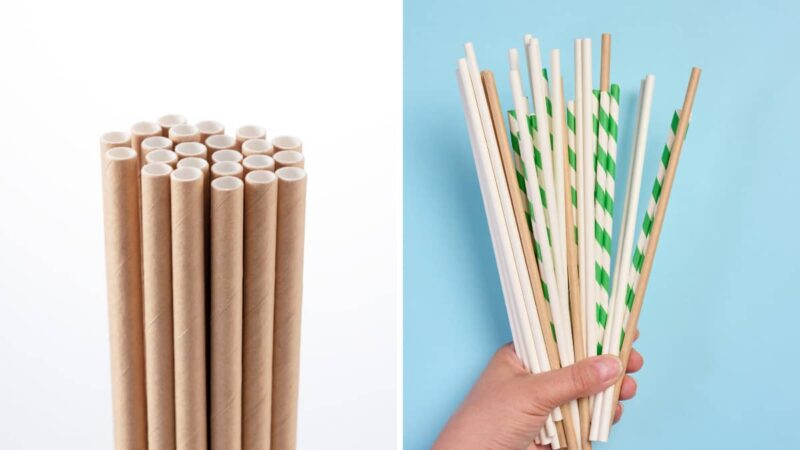
A new government-commissioned study in South Korea found paper straws are worse for the environment than the plastic ones they replaced.
The study, titled the Comprehensive Study on Single-Use Straws, was commissioned by Korea’s Ministry of Climate, Energy and Environment and carried out by the Korean Society for Life Cycle Assessment.
Its findings were made public in late October by lawmaker Kim Wi-sang.
Researchers compared straws across 16 environmental impact categories, from production to disposal.
Conventional plastic straws had the smallest impact in 10 of the 16, including climate change.
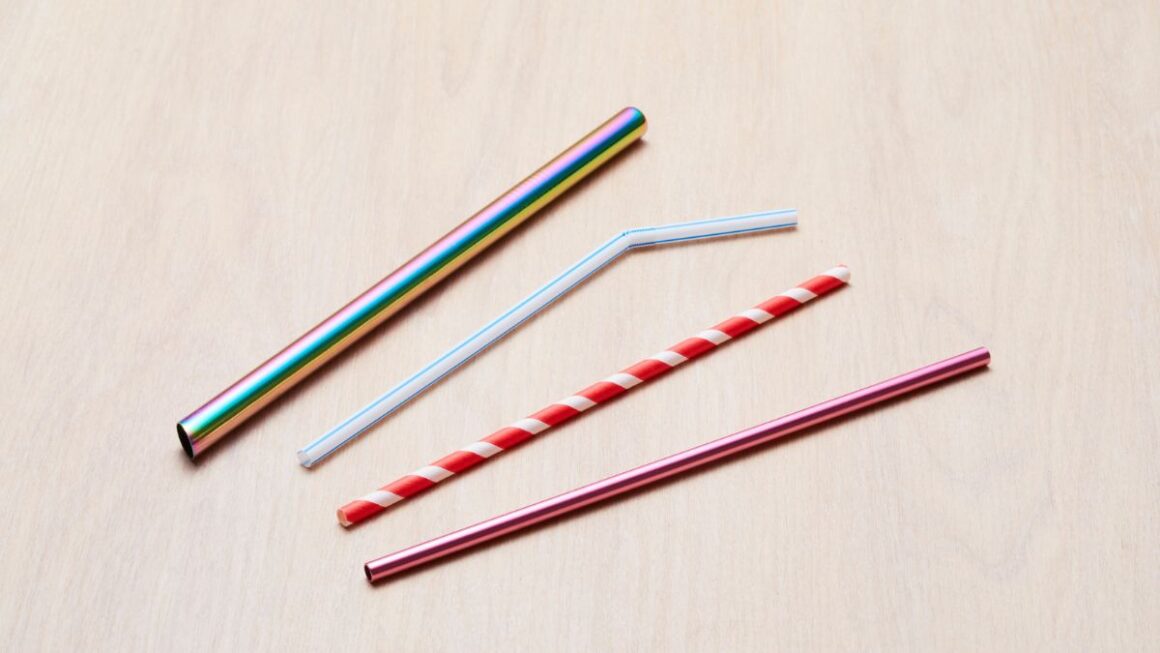
Paper straws were the WORST performer in three categories.
On a modelled measure of carcinogenic impact, paper straws scored 6.33 times higher than plastic.
That number covers emissions across the straw’s whole life, not a cancer risk from sipping through one.
Paper also came in at 2.04 times plastic for acidification.
The “greener” plastics did even worse.
Bio-based plastic straws, made from plants like sugarcane but chemically the same as regular plastic, scored 16.18 times higher on the carcinogenic measure and had the biggest impact in 10 categories.

The model assumed 73.6% of used straws get incinerated and 26.4% go to landfill, based on Korea’s national waste statistics.
That’s a Korean waste system, so the numbers won’t map one to one onto ours.
The researchers also pointed out that straws of every material are hard to recycle, because they’re small and coatings and adhesives get in the way.
So what’s the fix?
The researchers recommend that stores stop handing out disposable straws by default and give one only when a customer asks.
“Policy should focus on reducing the overall use of disposable products,” Kim said.
Here in Canada, the federal ban on selling single-use plastic straws took effect December 20, 2023.
A legal challenge briefly threw it into question, but the Federal Court of Appeal upheld the federal government’s decision on January 30, 2026, and the regulations remain in force.
Flexible plastic straws are still allowed for people who need them, sold in packs from behind the counter on request and stocked by hospitals and care homes.
The City of Vancouver dropped its own straw bylaw in April 2024 and now leaves straws to the federal and provincial rules.
If you don’t actually need a straw, the study’s own advice is simple: skip it, whatever it’s made of.