


Having a freezer full of top-notch seafood is like having a secret weapon for delicious, healthy meals, always ready when you are.
It opens up a world of cooking possibilities way beyond what your local grocery store offers each day, and you won’t feel rushed to cook fresh fish the moment you buy it.
But to get that perfect flaky texture and rich flavour you’re dreaming of, you really need to know the right way to freeze and thaw it. Get it wrong, and that beautiful piece of fish can turn into a sad, mushy mess.
Learning how to properly handle seafood from the freezer to your pan isn’t just about taste; it also keeps all the good nutrients and makes sure it’s safe to eat.
With just a few simple tips, you can confidently serve up seafood that tastes as if it was just caught.
This guide will walk you through how freezing works, the best ways to do it at home, and the safest methods for thawing to get the best results.
Why Freezing Seafood Works
Freezing is one of the oldest and most trusted ways to keep food fresh. Basically, it turns the water inside your food’s cells into tiny ice crystals.
This dramatically slows down how fast molecules move, which in turn hits the pause button on the tiny organisms and enzymes that cause food to spoil and go bad. According to guidance on Freezing and Food Safety, keeping food frozen at -18°C (0°F) or colder means it’ll stay safe pretty much forever.
But safety is only part of the story; quality is just as important. The secret to keeping seafood’s delicate texture intact comes down to the size of those ice crystals.
When seafood freezes super fast at really low temperatures, the water molecules form tiny ice crystals. These small crystals do very little damage to the cell walls of the muscle fibres.
However, if seafood freezes slowly—like in a home freezer that isn’t quite cold enough or is packed too full—you end up with big, jagged ice crystals. These can poke holes in and even burst the cell walls. Then, when you thaw the seafood, those damaged cells can’t hold onto their moisture, and it all leaks out.
This loss of moisture is exactly what makes seafood dry, mushy, or stringy. So, the golden rule is always to freeze fast and thaw slow.
Best Practices for Home Freezing
Lots of great seafood products come already expertly frozen, but maybe you’ve got a beautiful fresh catch or found a fantastic deal at the market that you want to save for later. Freezing it yourself is actually pretty easy if you follow a few simple steps.
Just remember, the quality of your frozen seafood will only ever be as good as the fresh seafood you started with, so always begin with the freshest stuff you can find.
For those who love the convenience of having perfectly portioned seafood ready to go, many online suppliers offer excellent lobster tail selection for home cooks and other products that arrive perfectly frozen. This takes all the guesswork out of it. If you’re freezing it yourself, here’s how to do it right:
1. Get it Ready: Before freezing, give your seafood a quick rinse under cold water and then pat it completely dry with paper towels. Any moisture left on the surface can lead to ice crystals and freezer burn. For fish fillets, you can freeze them as they are. If you have a whole fish, it’s best to clean out its insides and scale it first.
2. Wrap it Up Tight: Oxygen is the enemy when it comes to frozen food because it can cause weird flavours and colour changes. Your goal is to create an airtight seal.
- Vacuum Sealing: This is the absolute best way for home freezing of seafood. It sucks out all the air, giving you the best protection and making your seafood last much longer in the freezer.
- Plastic Wrap and Freezer Paper: If you don’t have a vacuum sealer, wrap the seafood tightly in a layer of plastic wrap, pushing out as much air as you can. Then, wrap it again in a layer of freezer paper or pop it into a heavy-duty freezer bag, squeezing out the air before sealing.
3. Label and Date: Always write down what kind of seafood it is and the date you froze it on your packages. This helps you use the older items first and makes sure you know exactly what you’re pulling out for dinner.
4. Freeze it Fast: Put the wrapped seafood in the coldest part of your freezer, usually at the back or on a bottom shelf. Try not to stack unfrozen packages on top of each other, as this will slow down the freezing process. Spread them out in a single layer until they’re solid.
Safely Thawing for Optimal Flavour
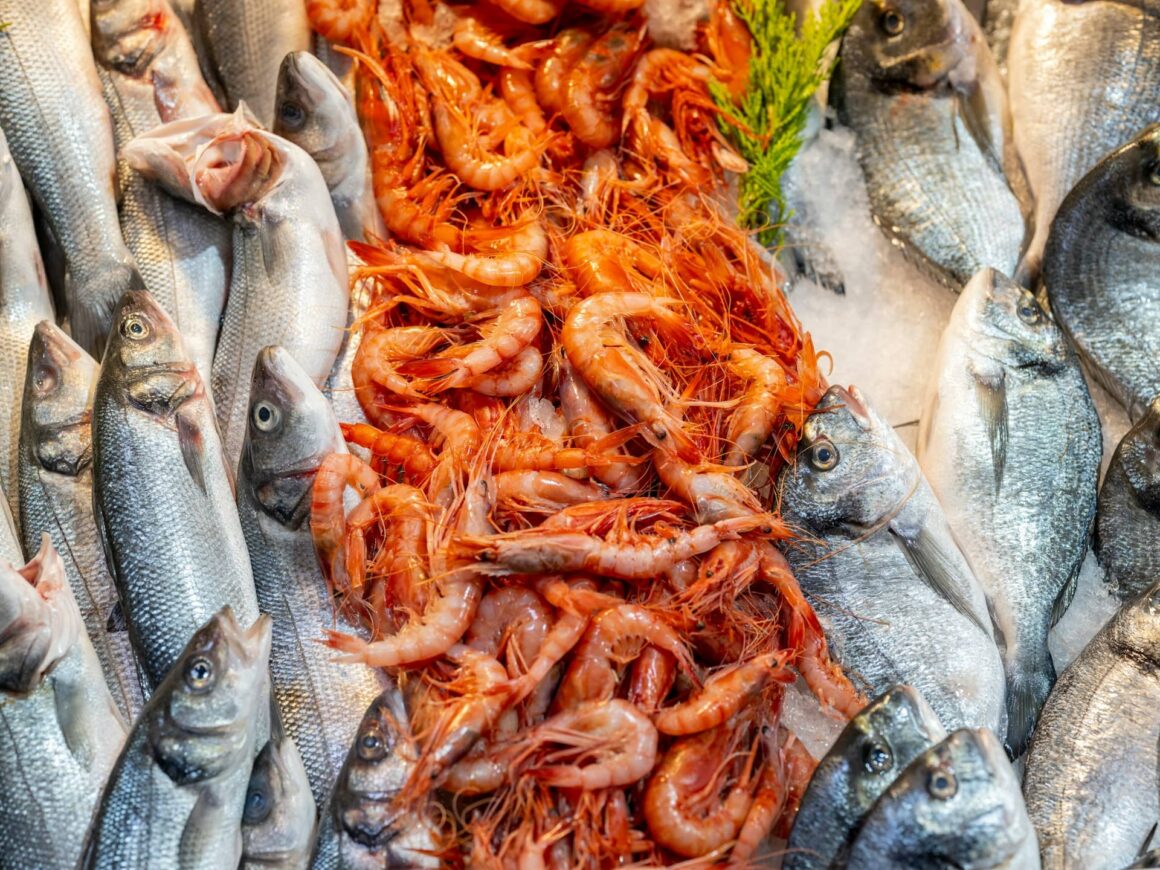
How you thaw your seafood is just as important as how you freeze it. Thawing it incorrectly can mess up the texture and, more importantly, create a food safety risk.
Never, ever thaw seafood at room temperature on your kitchen counter. The outside of the food can quickly enter the “danger zone” temperature (between 4°C and 60°C), where bacteria multiply super fast, while the middle is still frozen solid.
There are three safe and effective ways to thaw seafood:
- In the Fridge: This is the top choice for keeping quality high. Just place the frozen, wrapped seafood on a plate or in a shallow dish to catch any drips, and leave it in the refrigerator. It thaws slowly and evenly, which helps the cells soak up moisture again. Most fillets and smaller pieces will thaw overnight, while bigger whole fish might need up to 24 hours.
- In Cold Water: If you need it faster, you can use the cold water method. Make sure your seafood is in a sealed, leak-proof bag. Submerge the bag in a large bowl of cold tap water. It’s important to change the water every 30 minutes to keep it cold. A one-pound package of shrimp or a couple of fish fillets can thaw in about an hour using this trick.
- In the Microwave: This should really be your last resort, and only if you plan to cook the seafood right after it thaws. Use the defrost setting or a very low power level, and watch it like a hawk to stop the edges from starting to cook. The microwave’s uneven heating can really mess with the final texture.
These reliable freezing and thawing tips make sure your seafood stays safe and delicious from freezer to plate.
Extending Shelf Life Tips
Once your seafood is nicely packaged and frozen, a few organizing habits can help you get the most out of its shelf life and keep it tasting great. The biggest enemy of long-term freezer storage is freezer burn—those dry, discoloured spots where the food has been damaged by drying out and exposure to air.
First off, make sure your freezer is set to the right temperature: -18°C (0°F) or colder. A steady, low temperature is key. Try not to open the freezer door too often, as this can cause temperature swings. A freezer thermometer is a handy tool to keep an eye on this.
Organize your freezer so you can easily see everything you have. A “first in, first out” system works wonders. Put newer items at the back and move older ones to the front so you use them up first. This stops packages from getting lost in the back of the freezer for ages.
While properly frozen seafood is safe to eat for a very long time, its quality will start to go down after a few months. For the best flavour and texture, here are some general guidelines for preserving your catch & purchase.
- Lean Fish (like cod, haddock, tilapia): 6 months
- Fatty Fish (like salmon, tuna, trout): 2-3 months
- Cooked Fish: 3 months
- Shrimp and other Shellfish: 3-6 months
- Vacuum-Sealed Seafood: Can often last up to 1-2 years with hardly any dip in quality.
If you find a package with a little bit of freezer burn, you can usually just trim off the affected spots before cooking. But if the damage is really bad, it’s probably best to toss it, as the texture and flavour will be seriously off.
Understanding Flash-Frozen Quality
You’ve probably seen terms like “flash-frozen” or “frozen-at-sea” on seafood packaging, and that’s usually a sign of high quality.
This isn’t just fancy marketing; it describes a special commercial process that gives you a much better frozen product, often even better than the “fresh” stuff you might see at the supermarket counter.
Flash-freezing, also known as Individual Quick Freezing (IQF), is a process where seafood gets frozen at super low temperatures (often below -30°C) within hours, or even minutes, of being caught. This often happens right on the fishing boats or at processing plants located right by the docks.
The incredible speed of this process creates the tiniest possible ice crystals, which perfectly preserves the seafood’s cell structure. It locks in peak freshness, flavour, texture, and all those good nutrients.
On the flip side, “fresh” fish at a grocery store might have been out of the water for several days or even a week, slowly losing quality during its journey and storage.
So, that flash-frozen fillet in the freezer aisle might actually be “fresher” than the one sitting on ice. This technology is what makes it possible for people all over the country to enjoy seafood that tastes like it just came out of the ocean.
Next time you’re shopping, don’t just walk past the frozen section. For many types of seafood, a high-quality, flash-frozen product is your best bet for a restaurant-worthy meal right at home.
With these tricks in your cooking toolkit, you can confidently fill your freezer and enjoy delicious, perfectly textured seafood whenever the craving hits.