

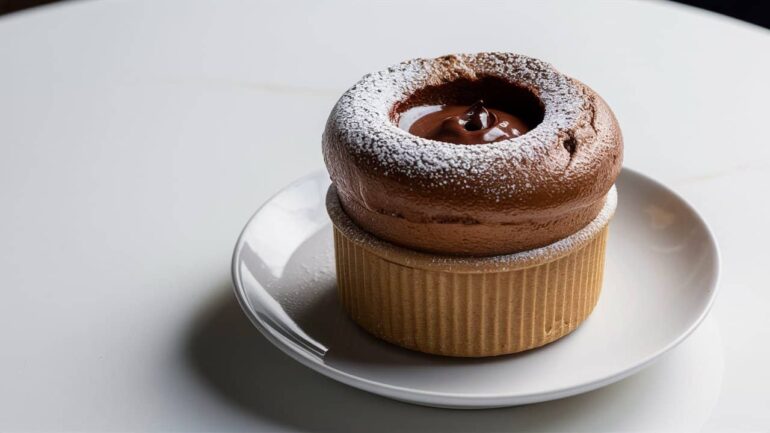

Some desserts are meant to impress.
These ones are meant to test you.
We ranked 15 of the hardest desserts to make from scratch, from tricky French pastries to deceptively simple baked goods that have humbled experienced bakers for years.
Each one is scored on difficulty so you know what you are getting into before you start.
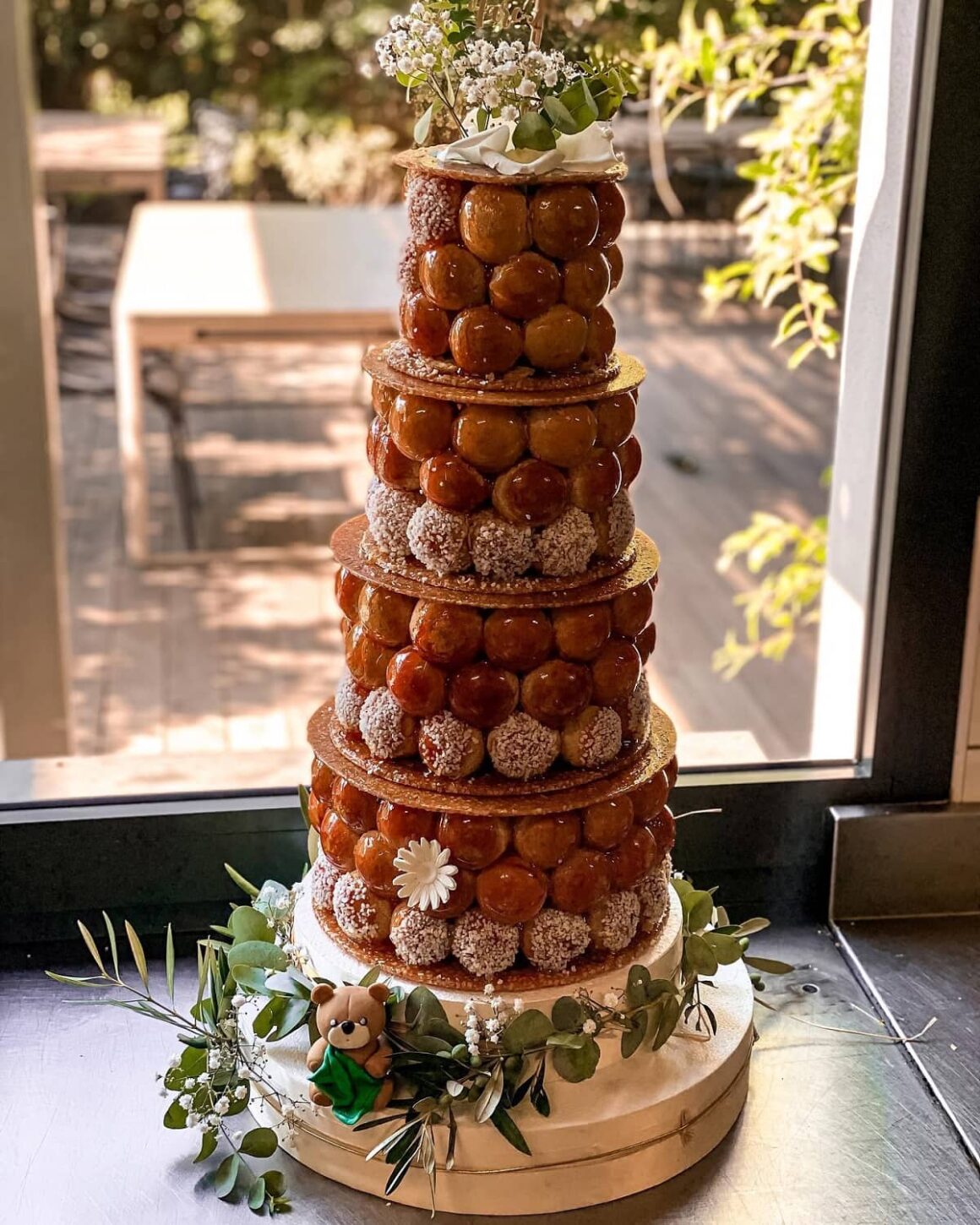
1. Croquembouche
Difficulty: 10/10
A croquembouche is a towering cone of cream puffs held together entirely by spun caramel.
It is a centrepiece at French weddings, and building one feels like an engineering project as much as a baking one.
Every cream puff has to be uniform in size and baked to the same golden colour.
Then you dip each one in molten caramel and stack them into a cone shape, working fast before the sugar hardens.
One slow moment and the caramel sets before you finish.
One puff that is slightly too big and the whole tower leans.
You are also working with sugar hot enough to cause serious burns, which adds a layer of stress that most desserts do not.
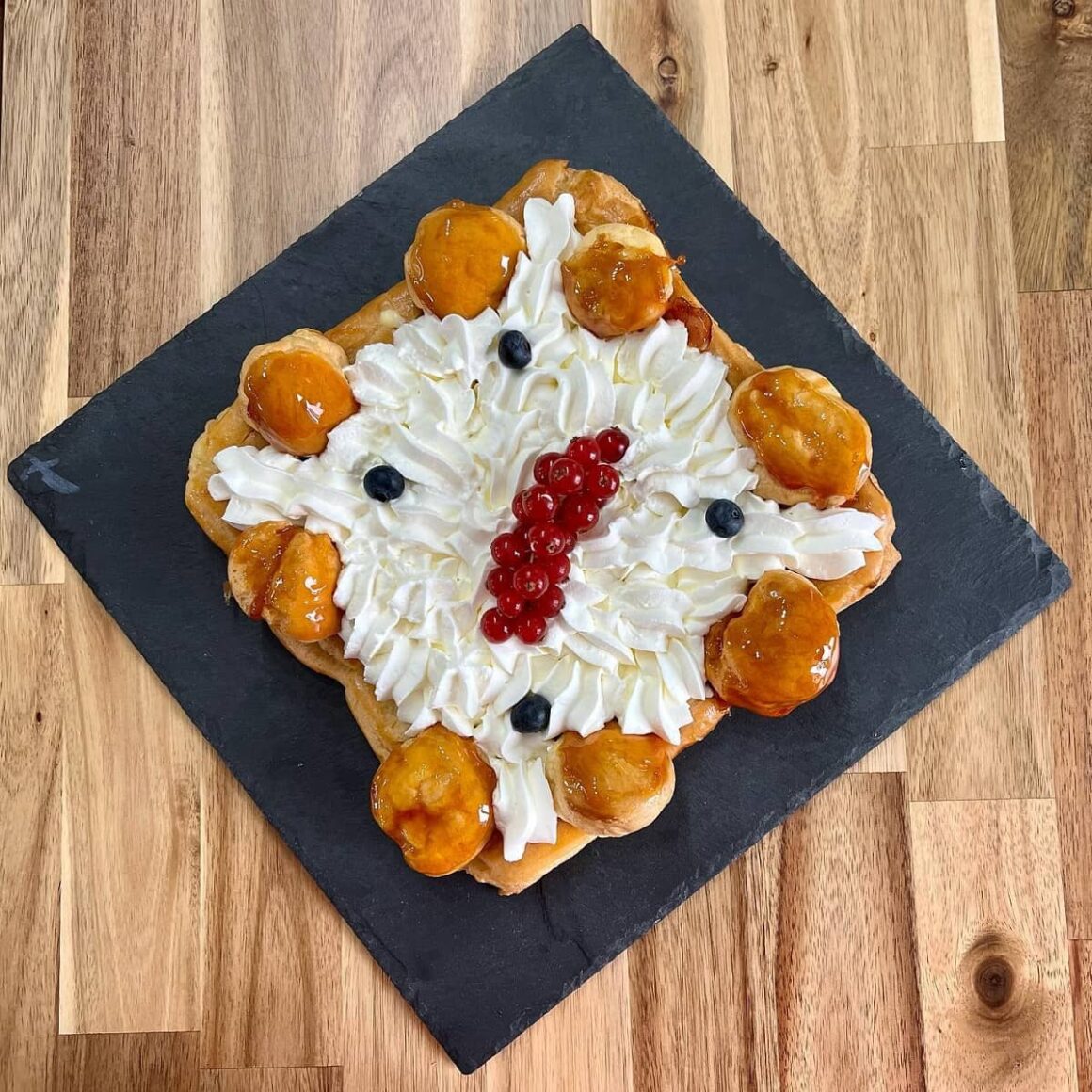
2. Gateau St. Honoré
Difficulty: 9/10
This French dessert is named after the patron saint of bakers, and it earns that title.
A Gateau St. Honore combines a puff pastry base, a ring of choux pastry, caramel-dipped cream puffs, and pastry cream piped on top.
Each component is a separate technique.
You need to make clean puff pastry, pipe consistent choux, bake both properly, make a smooth pastry cream, and work with hot caramel to dip and assemble.
If any single element is off, the whole thing looks and tastes unbalanced.
Most bakers have trouble mastering just one of these techniques on its own.
This dessert asks you to nail all of them in the same afternoon.
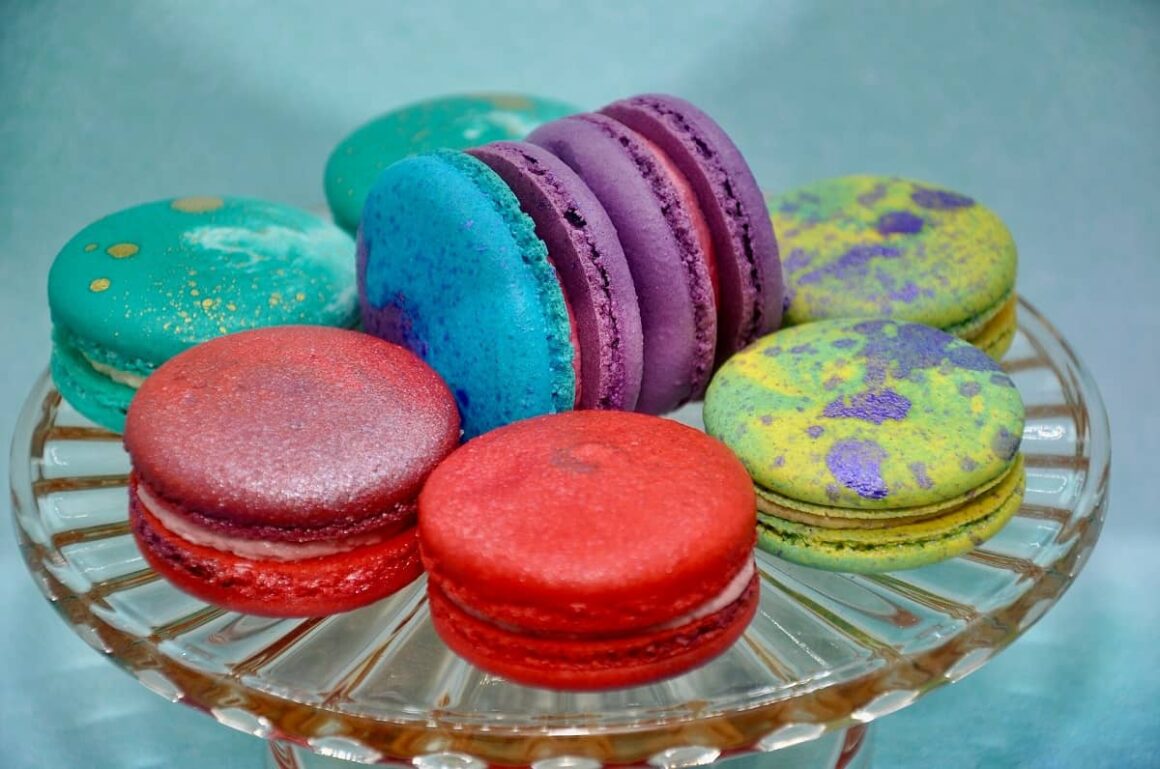
3. Macarons
Difficulty: 9/10
Macarons have broken more home bakers than almost any other dessert on this list.
They are small almond meringue cookies that demand precision at every single step.
The batter has to be folded to exactly the right consistency, a technique called macaronage.
Too many folds and it spreads flat.
Too few and the tops crack.
Humidity, oven temperature, the age of your egg whites, and even the brand of almond flour all affect the outcome.
The signature “feet” at the base of each macaron only form when everything goes right.
Most people need several failed batches before they get a tray that looks the way it should.
4. Croissants
Difficulty: 9/10
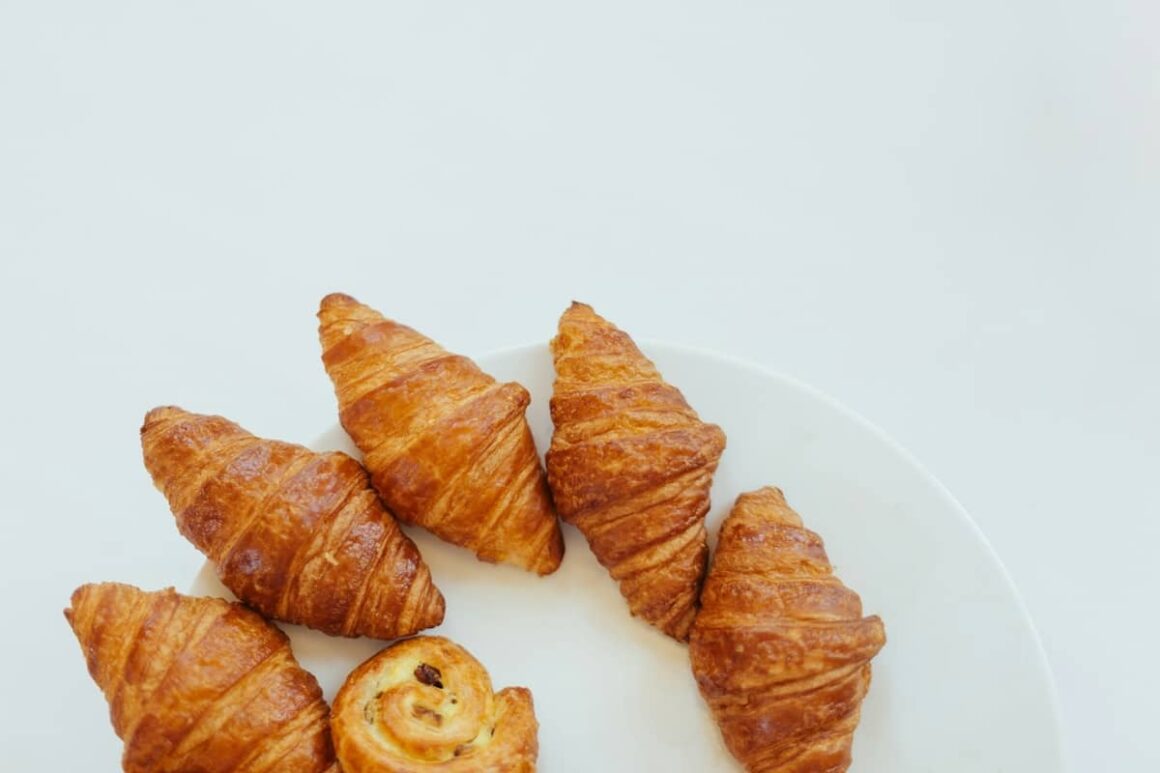
Making croissants from scratch is a two-day commitment.
You create up to 81 individual layers of dough and butter through a process called lamination, folding and rolling repeatedly with resting time in between.
If the butter gets too warm, it melts into the dough and the layers disappear.
If the dough gets too cold, the butter cracks and creates uneven pockets.
Your kitchen temperature matters more than your recipe.
Even professional bakeries with climate-controlled rooms have off days with croissants.
At home, the margin for error is razor thin, and you will not know if it worked until you cut one open after baking.
5. Mille-feuille
Difficulty: 8/10
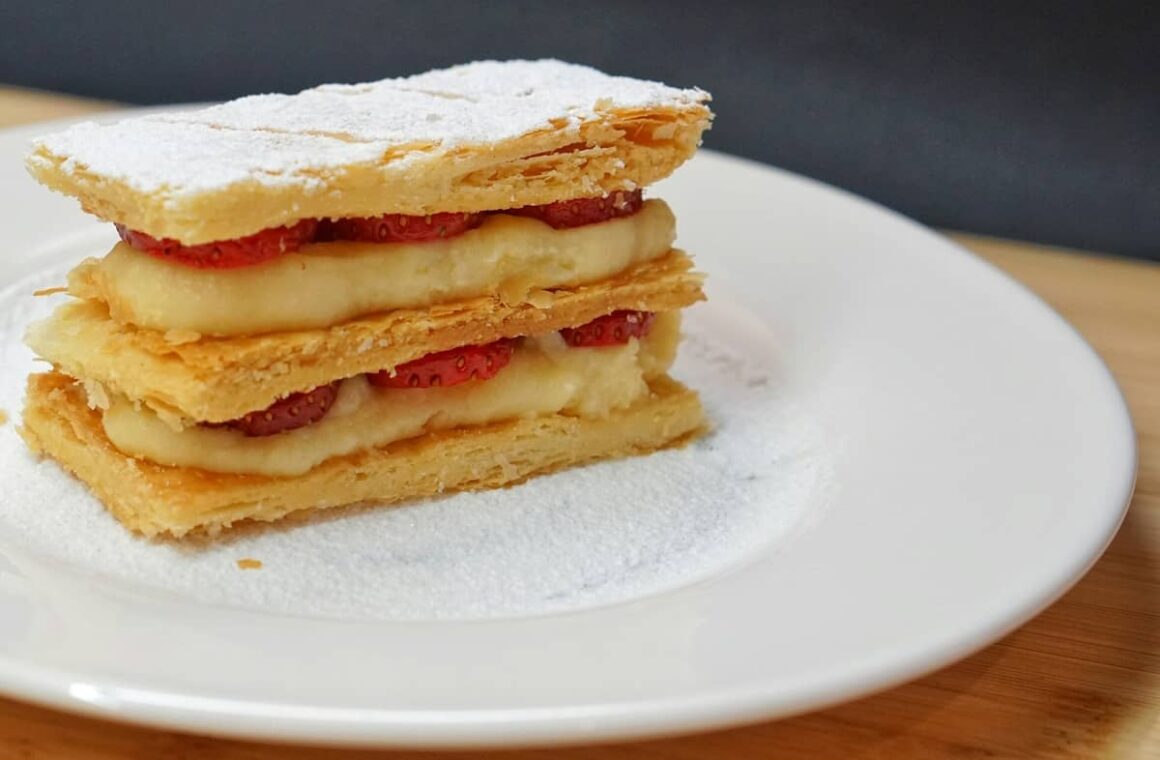
Mille-feuille translates to “thousand leaves,” and the name tells you everything about the challenge.
You need perfectly thin, shatteringly crisp layers of puff pastry alternating with smooth pastry cream.
The puff pastry has to be rolled to an even thickness and baked flat, which is harder than it sounds.
Puff pastry wants to puff, and controlling that rise while keeping it crisp requires careful docking and weight.
Assembly is another challenge.
The pastry cream has to be thick enough to hold the layers apart but smooth enough to pipe cleanly.
And once assembled, a mille-feuille starts to soften immediately, so timing and serving speed matter.
6. Opera Cake
Difficulty: 8/10
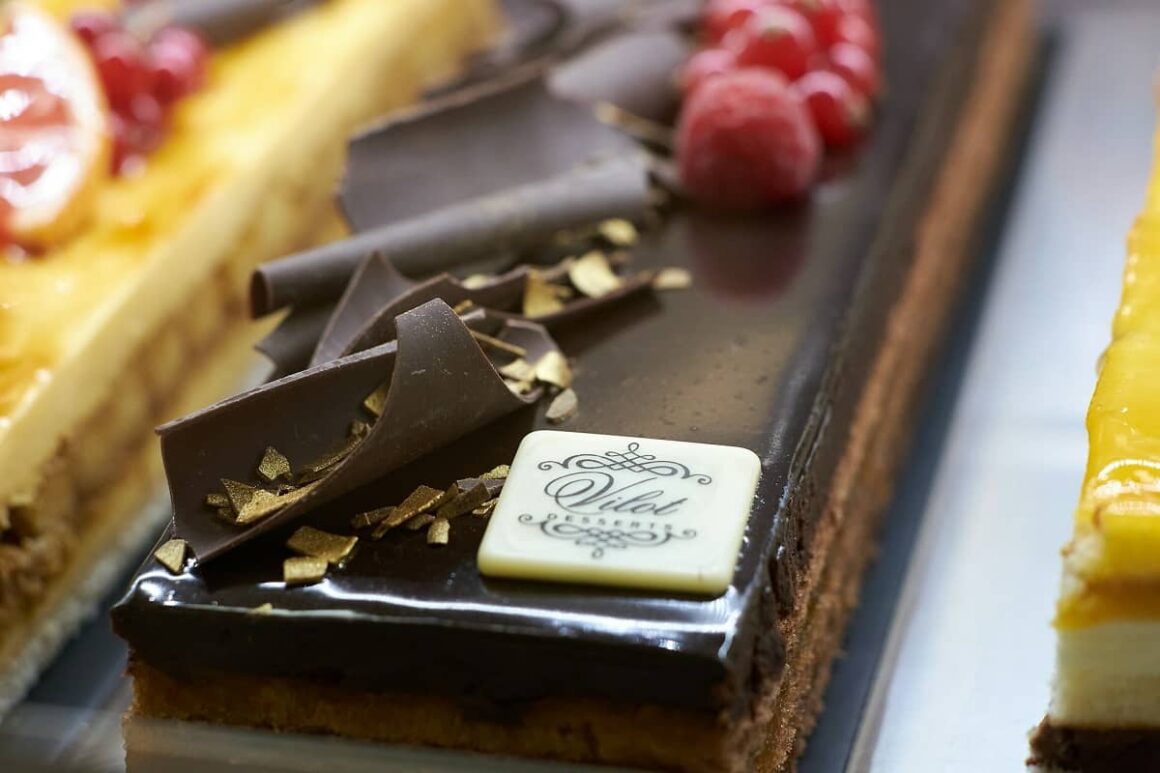
An opera cake has six distinct layers: almond sponge, coffee syrup, coffee buttercream, chocolate ganache, and a mirror-smooth chocolate glaze on top.
Each layer has to be made separately and assembled with precision.
The sponge must be thin and even.
The buttercream must be silky, not grainy.
The ganache has to set to the right firmness.
And the glaze on top needs to be poured at exactly the right temperature so it self-levels into a mirror finish.
The final product should look like clean, sharp lines when sliced.
Any unevenness in the layers shows immediately.
7. Soufflé
Difficulty: 8/10
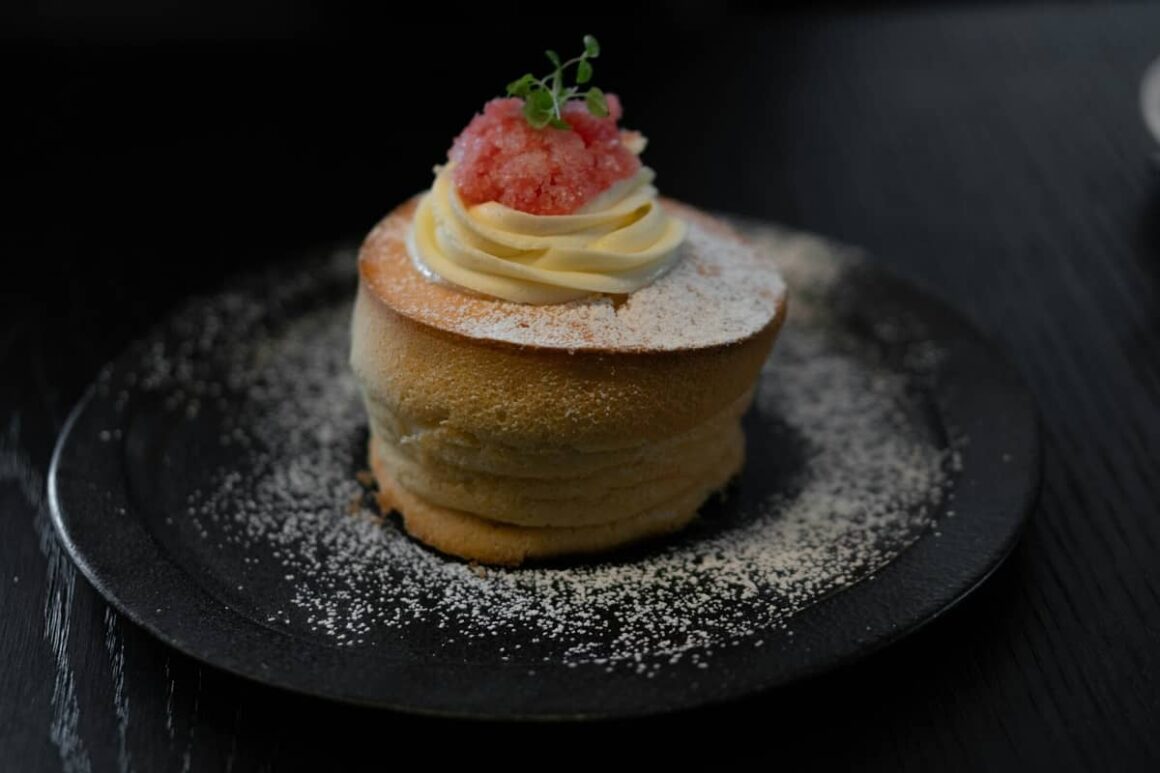
A souffle rises or it does not, and you will not know which until you open the oven door.
The technique requires folding whipped egg whites into a flavour base without deflating them.
Fold too aggressively and you lose all the air.
Fold too gently and the mixture stays streaky and will not rise evenly.
A souffle also starts deflating the moment it leaves the oven.
Your guests need to be at the table before the dish comes out, not after.
This is one of the few desserts where the kitchen sets the schedule, not the host.
8. Chocolate Soufflé
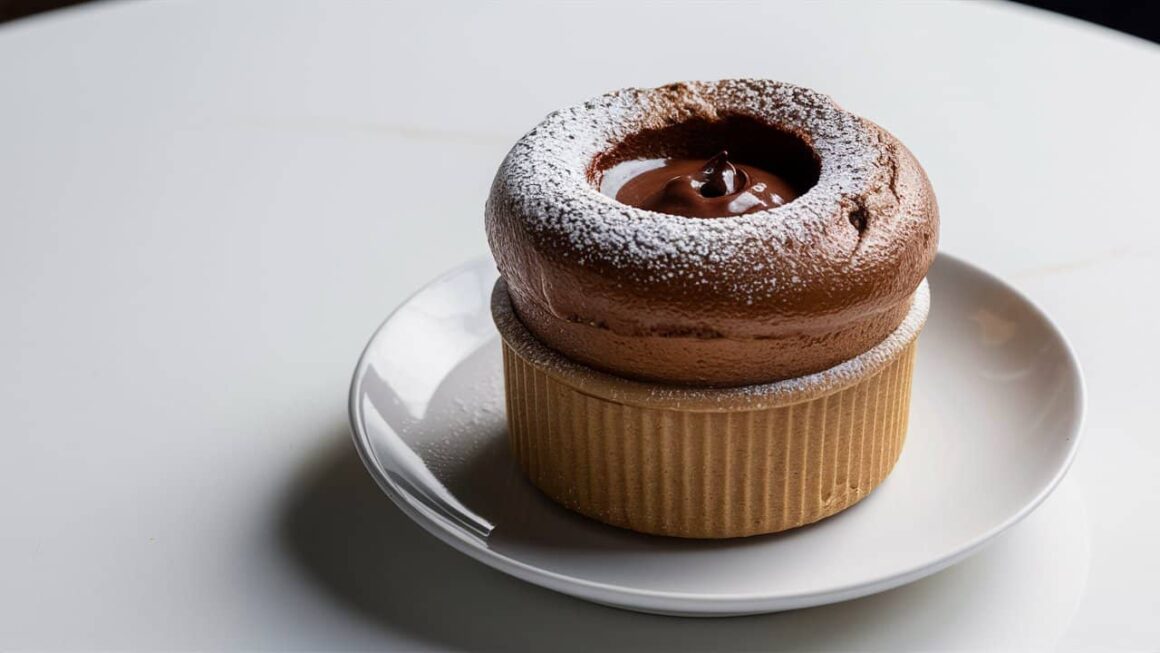
Difficulty: 8/10
A chocolate souffle carries all the same challenges as a regular souffle, plus the added complexity of working with melted chocolate.
Chocolate can seize if it comes into contact with even a small amount of water.
It also adds weight to the batter, which means the egg whites need to be folded even more carefully to maintain enough lift.
The inside should be molten and rich while the outside holds its shape.
Getting that contrast right, without underbaking or overbaking, takes practice and a reliable oven.
9. Kouign-amann
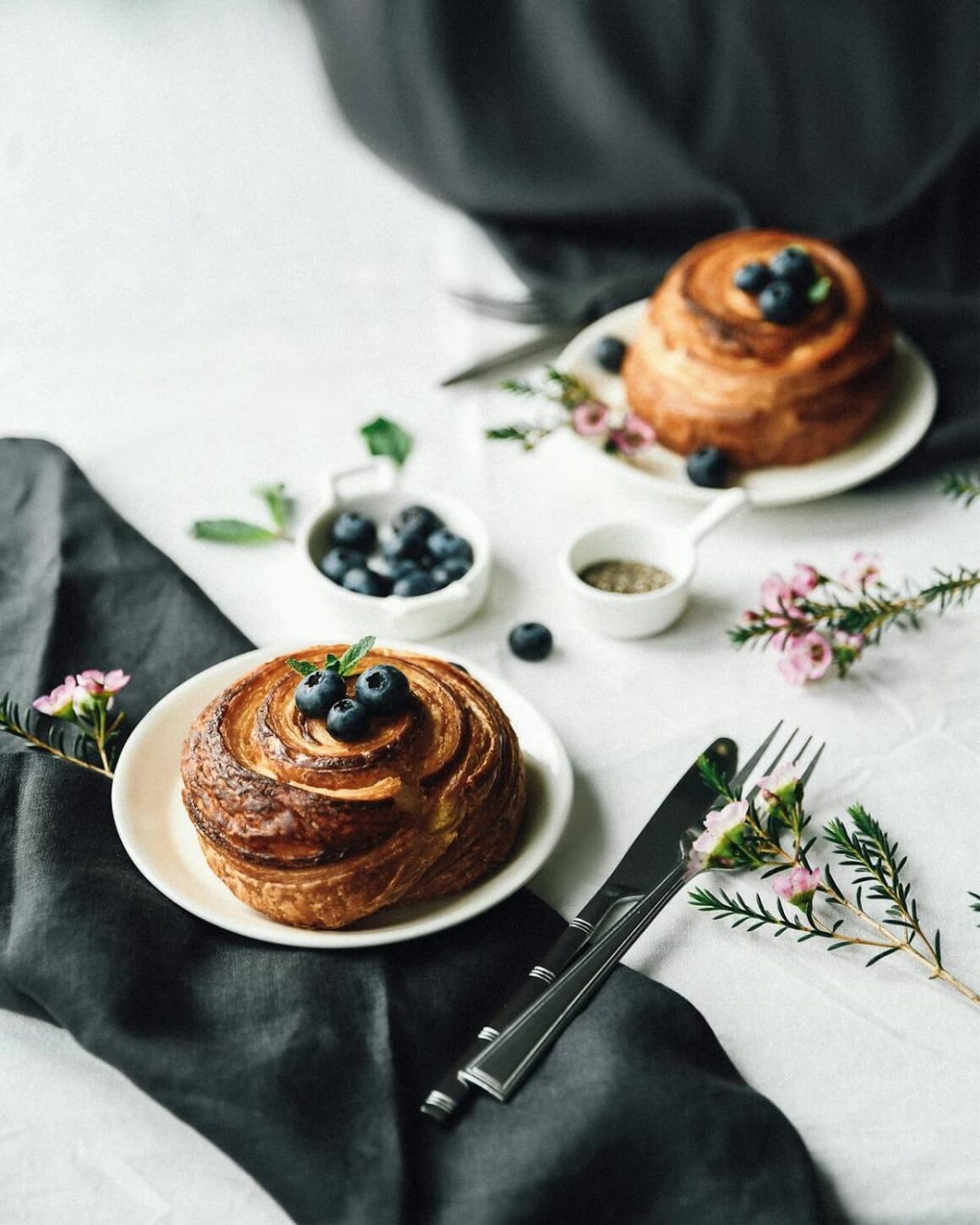
Difficulty: 8/10
Kouign-amann is a Breton pastry made from bread dough, butter, and sugar.
It sounds simple, but the technique to get a crispy, caramelized exterior with a soft, layered interior is anything but.
The dough is laminated with butter and sugar, similar to croissants but with added sugar between the folds.
During baking, the sugar caramelizes and creates a shattering crust while the inside stays tender and slightly chewy.
Underbake it and the sugar stays gritty.
Overbake it and the caramel turns bitter.
The window between perfect and burnt is narrow.
10. Canelés
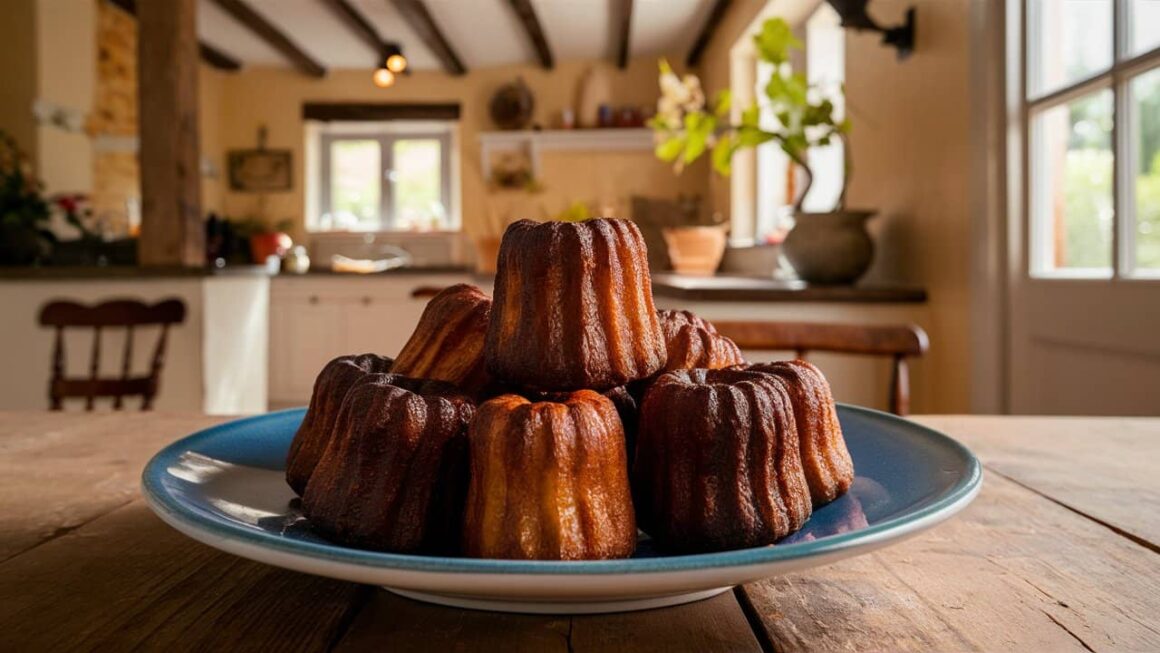
Difficulty: 7/10
Caneles are small French pastries from Bordeaux with a dark, caramelized crust and a soft, custardy interior.
Traditionally they are baked in copper molds lined with beeswax, which gives them their distinctive lacquered finish.
Without the right molds, it is very difficult to get the same result.
The batter itself is straightforward, a rum and vanilla custard.
But getting the crust right requires the correct oven temperature and baking time, which varies wildly depending on your mold material.
Silicone molds produce a completely different (and inferior) result.
11. Baked Alaska
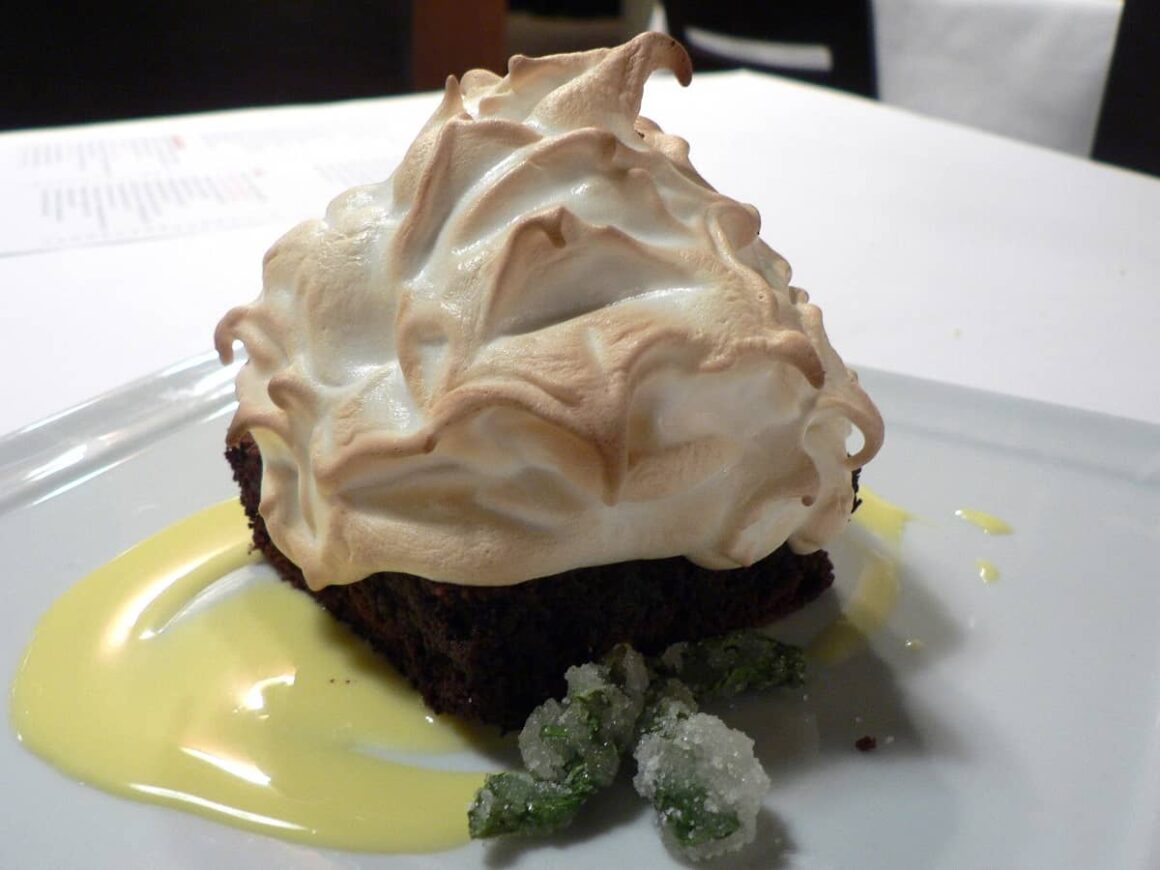
Difficulty: 7/10
Baked Alaska asks you to do something that sounds impossible: bake ice cream in a hot oven without melting it.
The ice cream sits on a sponge cake base and is completely sealed in a thick layer of meringue.
The meringue acts as insulation, browning on the outside while the ice cream stays frozen inside.
The ice cream must be rock solid before assembly.
The meringue must be thick with no gaps.
And you have less than five minutes in the oven before the ice cream starts to melt.
It is more about preparation and speed than advanced technique, but one thin spot in the meringue and the whole thing leaks.
12. Paris-Brest
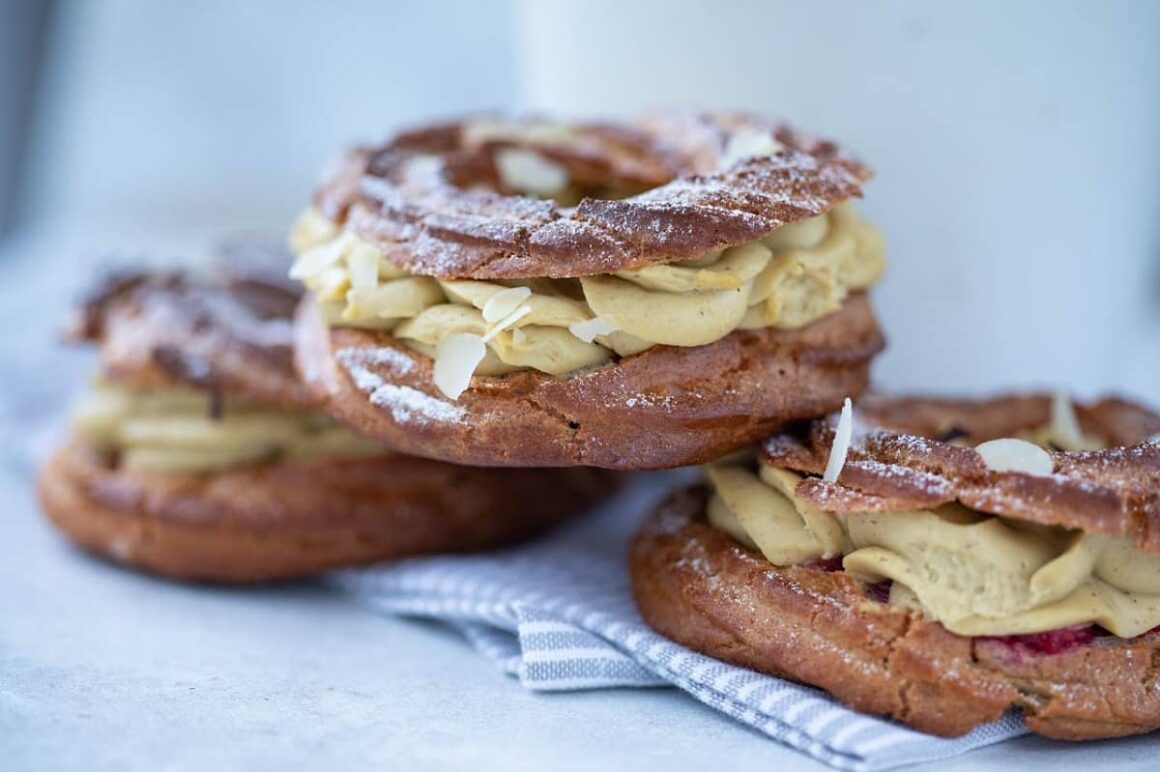
Difficulty: 7/10
A Paris-Brest is a wheel-shaped choux pastry filled with praline mousseline cream.
It was created in 1910 to celebrate the Paris-Brest-Paris bicycle race, which explains the shape.
The choux ring needs to be piped evenly and baked until completely dry inside.
Underbaked choux collapses when it cools.
The praline cream requires making praline paste from scratch (caramelized hazelnuts and almonds, ground fine) and folding it into a lightened pastry cream.
Neither component is impossibly hard on its own, but both need to be done well for the final product to work.
13. Dacquoise
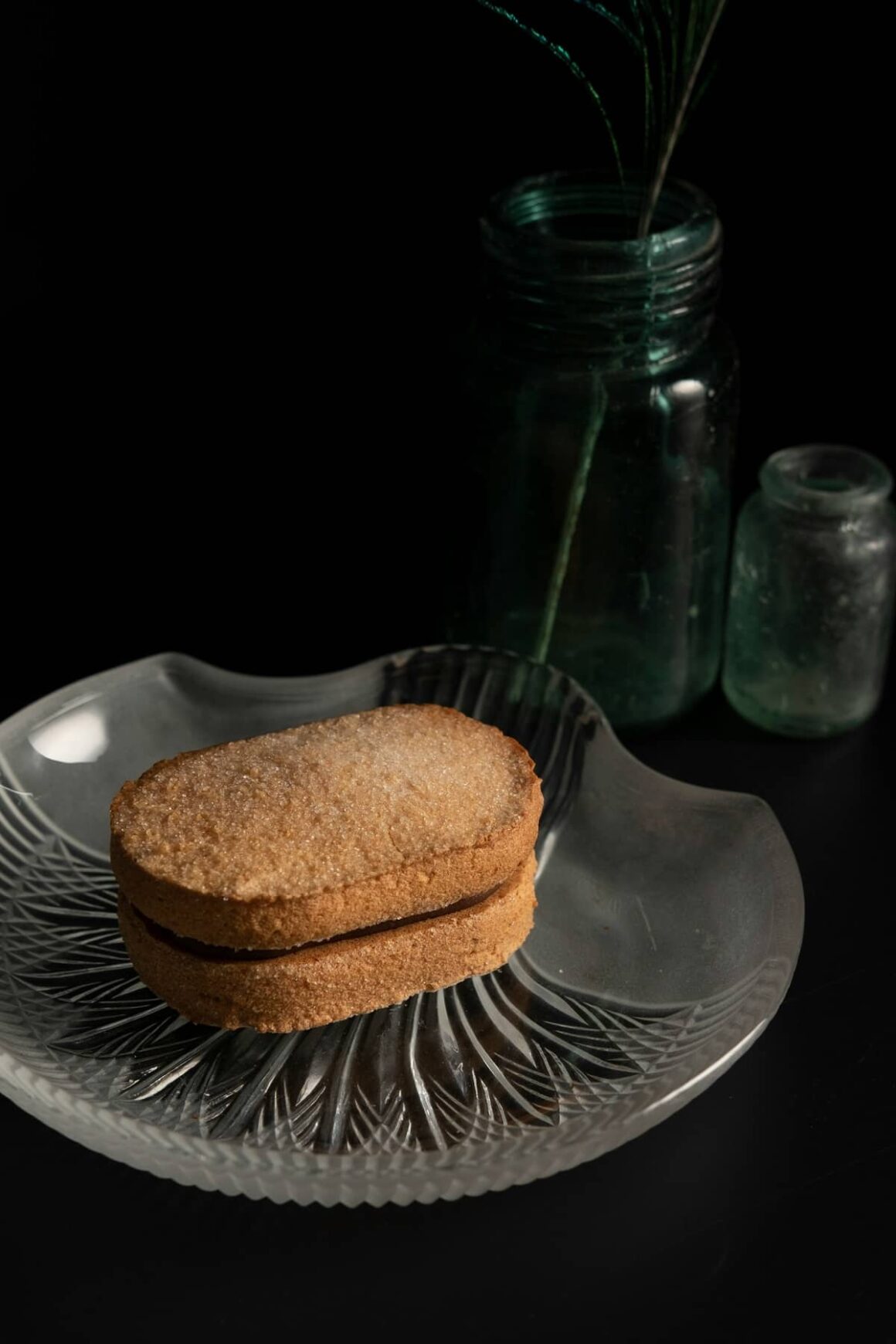
Difficulty: 7/10
A dacquoise is a layered dessert made from crisp almond and hazelnut meringue discs sandwiched with buttercream or whipped cream.
The meringue needs to be piped into even discs and baked low and slow until completely dry and crisp.
If the discs are not uniform in thickness, the finished cake leans.
The meringue is also fragile.
Moving the baked discs from the baking sheet to the assembly surface without cracking them takes a gentle hand and a good offset spatula.
14. Lemon Meringue Pie
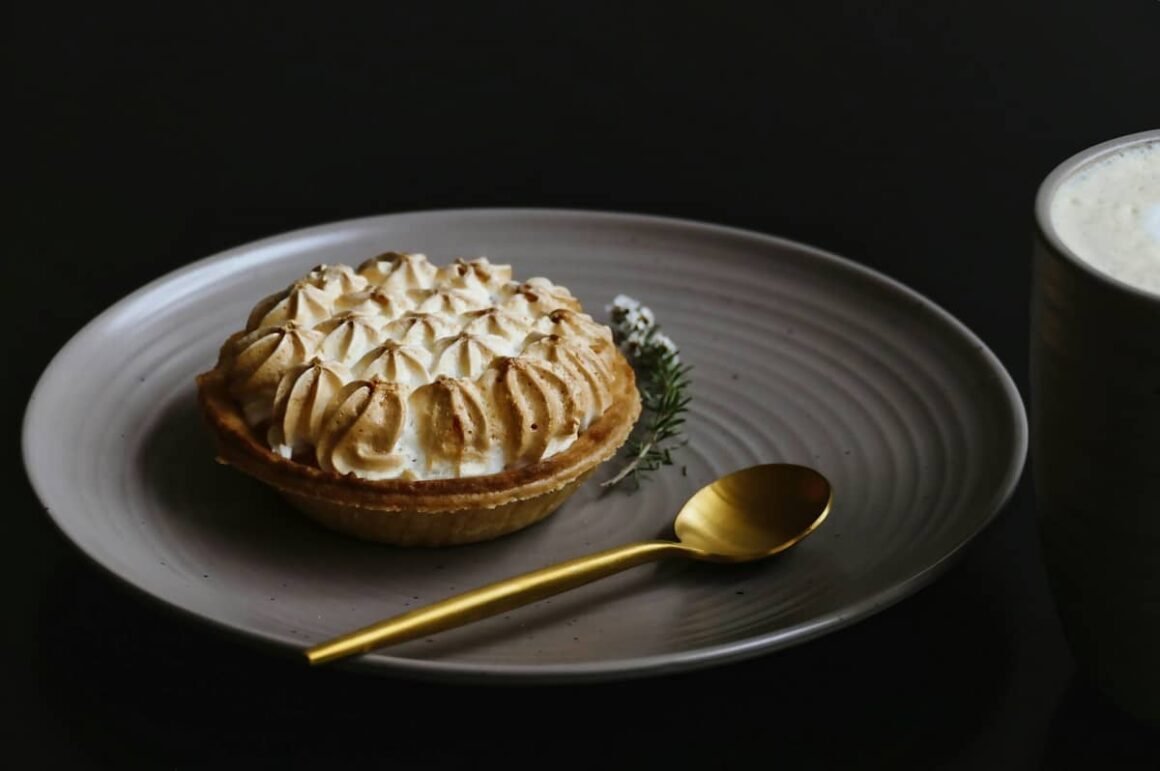
Difficulty: 6/10
Lemon meringue pie is the most approachable dessert on this list, but making one that holds together properly is harder than most people expect.
The lemon curd has to be thick enough to slice cleanly but smooth enough that it does not taste starchy.
Getting that balance right means cooking the filling to the correct temperature and using the right ratio of cornstarch to citrus.
The meringue is where most pies fail.
If the meringue is not sealed to the crust edges, it shrinks and weeps.
If the filling is too cool when the meringue goes on, a layer of moisture forms between the two and they separate.
15. Bûche de Noël (Yule Log)
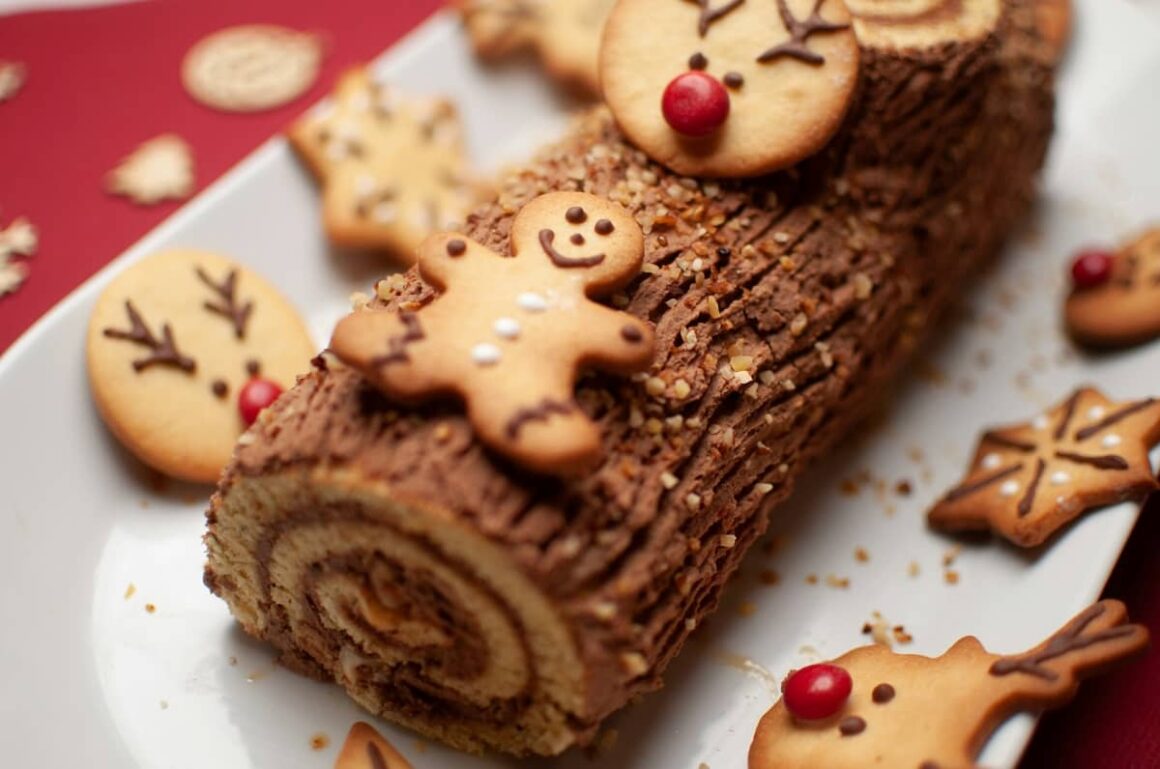
Difficulty: 6/10
A Buche de Noel is a rolled sponge cake decorated to look like a log.
It is a Christmas tradition in France and the source of many cracked cakes every December.
The sponge has to be baked thin and rolled while still warm.
If you wait too long, it cracks.
If the sponge is too dry, it cracks.
If you roll it too tight, the filling squeezes out.
The decorating is the fun part, using chocolate buttercream to create bark texture, meringue mushrooms, and powdered sugar snow.
But none of that matters if the roll itself is broken.
These 15 desserts represent the trickiest baking challenges you can take on at home.
Some are about precision. Some are about timing.
Most are about both.
If you have conquered all 15, you probably do not need this list.
But if you are looking for your next challenge, start from the bottom and work your way up.